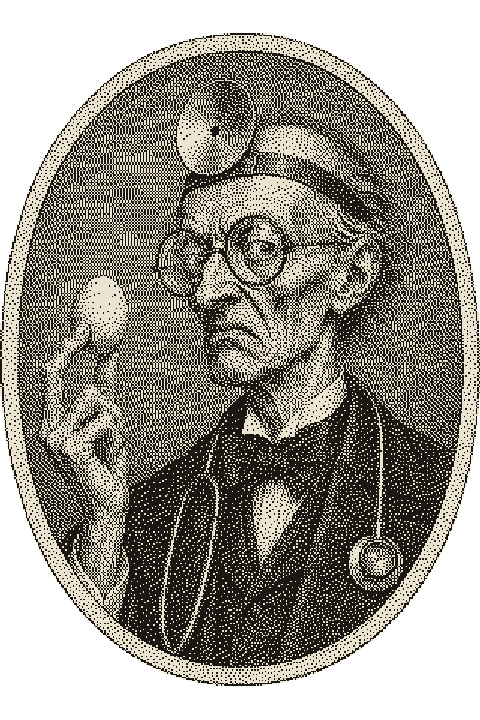

You have a cold, damp feeling in your chest. Of course you do. You have been sitting in a draught, eating eggs and ignoring the minutes of your own life, which is three risk factors before bedtime. Sit still. No, stiller. This week the village of Great Salkeld, Cumbria, held a meeting you should study, because it concerns the dead, and the dead concern you.
The clerk suggests a second chamber
Great Salkeld parish council met on Tuesday 22 September at 7.30pm in the village hall. Present: eight councillors, the clerk, and a man from the back of the room whom nobody could place. Agenda item seven was a twelve-child Qur’an school in the vestry of St Nicholas, on a three-year lease from the diocese. The vote was tied at four each. The chairman, Gerald Pinnock, 71, rose to break it. He said the word ‘cohesion’ twice and then lost his place. The clock above the fire door read 21:14. Outside, the rain did what rain does in Cumbria, which is arrive sideways and stay for a week.
Wendy Trelaw, clerk to the council for nineteen years, stood and said the living had failed to reach a majority and that the dead had not yet been asked. She read from Standing Order 14, which covers nothing of the kind, and then from a leaflet she had brought laminated. Councillor Doreen Ruddock asked whether the dead were ratepayers. Trelaw said that several of them had been. A show of hands followed. The motion carried five to three. Councillor Iain Petrie, who voted against, said he had come for the flower rota and would be writing to the county association.
“The dead do not attend surgeries, they do not write to their MP, and they have never once complained about the car park. That makes them, in my experience, the ideal electorate,” said Trelaw, adjusting her spectacles.
A planchette is produced from a carrier bag
Raymond Cottam, 84, retired verger, rose from the back of the room. He had a planchette in a Tesco bag and a board he had made in his shed from the lid of a piano. The table was cleared of the minutes and the traffic-calming report. Eight fingers were placed on the planchette. Pinnock asked the question in the manner of a man reading a gas meter. The planchette moved. It spelled N, then O. Then again. Then again. Then again. Four times, in a room of eight adults, at a quarter past nine on a Tuesday. Doreen Ruddock wrote it down. She has good handwriting and she used it.
“I have sat on this council for fourteen years and I have never seen a motion defeated so decisively. The dead are a silent majority in the truest sense,” said Pinnock, who then asked if the result could be minuted as ‘consensus reached through spiritual consultation’.
The dead then ask for tea
At 21:41 the planchette spelled TEA. Trelaw put the kettle on. The dead were not offered a biscuit, there being none. The vote was recorded as five to three against, with one abstention, the abstention being the man at the back, who was no longer there. The vestry remains a vestry. The twelve children will continue to meet in a portakabin behind the Methodist chapel in Penrith, which floods. Pinnock said the process had been robust and that the council would do the same for the bus shelter in November. Cottam returned the planchette to the bag and said they had been quiet this time.
“They usually want a word about the church roof. Tonight they just said no and asked for a brew. I have seen worse evenings,” said Cottam, who declined to say whether he had voted.
What this means for your own arrangements
You will die. Statistically this is not in doubt, and you have done nothing to prepare. This week you will:
- Write your funeral wishes on paper, not in your head, where they are currently illegible.
- Attend one parish council meeting. Any parish. Sit at the back.
- Reduce your egg intake to zero, then lower.
- Make a will that does not mention the dog by name.
If you have not done these things by Friday, the dead will hear of it. They are already in the room. They are, medically speaking, in the walls.


