
The BBC has confirmed a new six-part drama about Florence Nightingale’s time in the Crimean War, provisionally titled ‘The Cunt of Scutari’. The title, which leaked from a BBC commissioning meeting, was initially dismissed as a typo from a junior producer’s phone. But the corporation has embraced it, calling it ‘a bold, unflinching look at the Lady with the Lamp’s less documented qualities’. A BBC spokesperson said: ‘We believe this title captures the essence of a woman who was, by all accounts, a formidable presence. We are not shying away from the language of the era.’ Dame Prunella Fanshawe, the actress cast to play Nightingale, has publicly endorsed the title, saying: ‘She was a cunt, and she knew it. That’s what made her great.’
Historians demand a correction
The reaction from historians has been swift and furious. Professor Alistair Grimshaw of the University of Hull, author of ‘Nightingale: The Myth and the Woman’, called the title ‘a grotesque distortion of a complex figure’. He pointed out that Nightingale was known for her compassion, her reforms, and her lamp, not for any documented use of the C-word. ‘There is no evidence she ever said it, wrote it, or even thought it,’ he said. ‘She was a Victorian lady. She would have been horrified.’ The BBC responded by commissioning a ‘historical consultant’, Dr Marjorie Pottle, who claimed that Nightingale’s letters contain ‘a coded reference to a difficult patient’ that could be interpreted as ‘a proto-feminist reclaiming of the term’. Dr Pottle has since been removed from the project after it emerged she had once written a fanfic in which Nightingale and Mary Seacole are lovers.
The War Office requests a script
The Ministry of Defence has quietly requested a copy of the first episode’s script, citing ‘historical interest’. A source inside the department said: ‘We want to see if it’s accurate. Also, we might use it for training. You know, for morale.’ The request has been granted, and early reports suggest the script includes a scene in which Nightingale, faced with a soldier who is dying of dysentery, tells him: ‘Stop being a cunt and die quietly. I have other patients.’ The soldier, played by a rising star, is said to respond: ‘Yes, ma’am. Sorry, ma’am.’ The BBC has defended the scene as ‘a realistic portrayal of the pressures of wartime nursing’. The soldier’s family has not commented.
A brisk walk and less egg
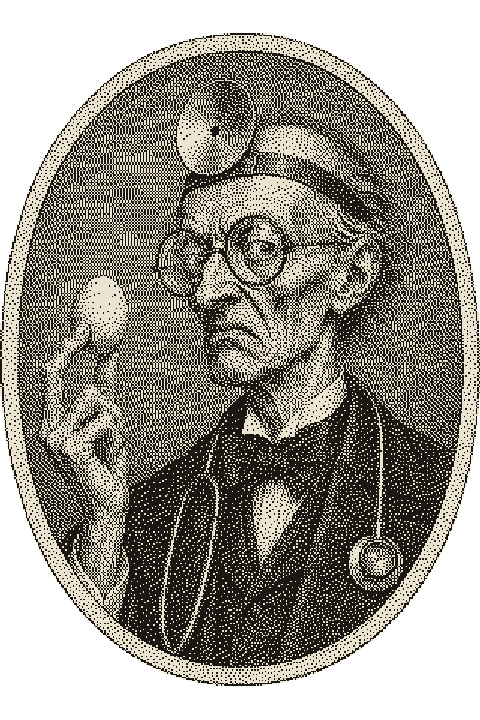
You are upset about a word. Of course you are. You have been reading the news, eating eggs, and being yourself, which is three risk factors for outrage before breakfast. Sit still. No, stiller. This week you will:
- Walk briskly to the nearest war memorial. Any war memorial.
- Reduce your egg intake to zero, then lower.
- Spend nine hours reflecting on why you care about a dead woman’s vocabulary.
- Apologise to your mother, who has seen worse.
If the outrage persists, that is your own fault, and I will know. I always know. I am in the walls, medically speaking.
The BBC doubles down
Despite the outcry, the BBC has confirmed the title will stand. A spokesperson said: ‘We are committed to telling stories that challenge and provoke. The C-word is part of our national heritage, and we are proud to put it on prime-time television.’ The first episode is scheduled to air in the autumn, with a trailer showing Nightingale striding through a field hospital, lamp in hand, as a voiceover intones: ‘She saved thousands. She swore at the rest.’ The War Office has declined to comment further, but a source said they were ‘considering a joint production’ about the Duke of Wellington’s alleged use of the F-word at Waterloo.


